
LinkedIn is Developing In-App Puzzle-Based Games:
LinkedIn is Developing In-App Puzzle-Based Games:
A New Era of Professional Networking?

In a surprising yet intriguing move, LinkedIn—the world’s largest professional networking platform—is stepping into the world of gaming. But not just any kind of gaming: puzzle-based, in-app games designed to spark collaboration, encourage engagement, and perhaps even transform how professionals connect and interact on the platform.
This initiative may seem out of character for a platform long associated with job searches, B2B marketing, and resume polishing. However, if we take a closer look at the trends in digital engagement and the evolving nature of online networking, LinkedIn’s pivot makes more sense than it initially appears.
The Rise of Gamification in Professional Spaces
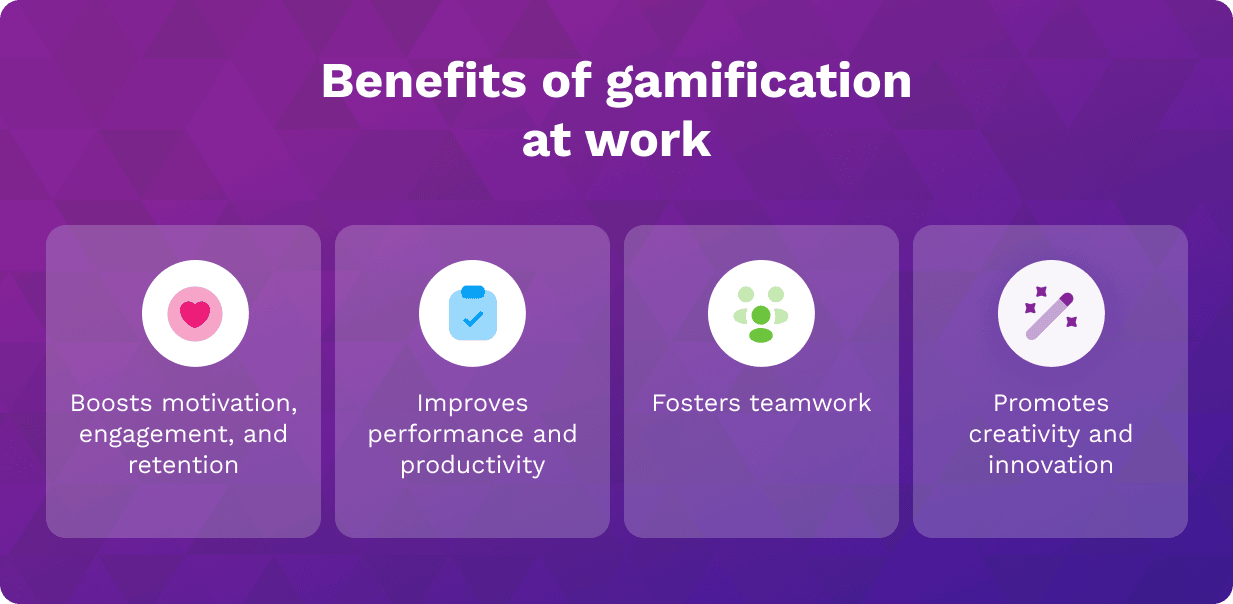
Gamification—the application of game elements in non-game contexts—has been on the rise across various industries. From language learning apps like Duolingo to workplace productivity platforms like Microsoft Teams and Salesforce, gamification has proven to increase user engagement, improve retention, and foster a sense of competition and fun.
LinkedIn has already dabbled in gamified features over the years. For example, the “Profile Strength” meter nudges users to complete their profiles, and achievement badges sometimes accompany course completions on LinkedIn Learning. But this new development—integrating actual puzzle-based games within the app—marks a major leap.
What We Know So Far
While LinkedIn has not officially rolled out the games yet as of October 2025, leaked screenshots and early reports suggest that the company is working on a suite of puzzle games with names like “Queens,” “Inference,” and “Crossclimb.” These games appear to be brain teasers, logic-based challenges, or trivia-style quizzes.
Initial findings from app researchers suggest that:
-
The games may be time-limited or daily challenges, similar to Wordle.
-
Players may be ranked by performance, either individually or as part of their companies or industry peer groups.
-
There could be a leaderboard showcasing top scorers across departments, companies, or geographic regions.
It’s not hard to see the potential appeal. Puzzle games are short, mentally stimulating, and easy to integrate into a quick break during the workday. If designed well, they could encourage lighthearted competition within companies or across networks—without undermining the platform’s professional tone.
Why Is LinkedIn Doing This?

So, why would a platform focused on professional development be interested in puzzles and games?
There are a few reasons this move makes strategic sense:
-
Boosting Engagement: Like all social platforms, LinkedIn is constantly looking for ways to keep users coming back. In-app games can become a daily habit, driving up active user metrics.
-
Creating New Social Touchpoints: Games offer a fresh way for users to interact with each other. Instead of just endorsing skills or liking posts, users might bond over solving a particularly tricky puzzle or climbing a leaderboard together.
-
Fostering Company Culture: With more companies embracing hybrid or remote work models, internal engagement is a challenge. LinkedIn’s games could serve as a casual tool for team-building, morale-boosting, or even informal competitions within teams.
-
Data and Insights: Depending on how the games are structured, they could provide LinkedIn with new types of behavioral data. For example, patterns in problem-solving or logical thinking could (hypothetically) inform recommendations, insights, or even recruitment tools—though this would raise ethical questions LinkedIn would need to navigate carefully.
Potential Concerns and Criticism
As with any new feature, there are questions and concerns:
-
Diluting Professionalism: Some users may worry that introducing games trivializes the platform’s purpose. LinkedIn’s value lies in its professional tone; there’s a fine line between refreshing and frivolous.
-
Privacy and Data Usage: Will LinkedIn use gameplay data for profiling or targeting? The company would need to be transparent about how any in-game behavior is used.
-
Distraction vs. Productivity: Employers might view the integration of games with skepticism, fearing that it could reduce productivity rather than enhance company culture.
LinkedIn will need to carefully position these games as optional, lightweight, and aligned with the platform’s broader goals of learning, networking, and professional development.
Looking Ahead: Fun with a Purpose?
If executed well, LinkedIn’s puzzle-based games could redefine digital professional engagement. Rather than scrolling endlessly through posts or job listings, users might log in for a daily brain teaser, spark a conversation with a peer, or bond with a colleague across the globe over a shared high score.
At a time when workplace culture is shifting, remote work is the norm, and online interactions dominate, LinkedIn may be betting that a little fun—served in the right format—can strengthen connections, boost morale, and keep users coming back.
Whether this move marks a new era for LinkedIn or turns out to be a short-lived experiment remains to be seen. But one thing is clear: the future of networking might just include a puzzle or two.